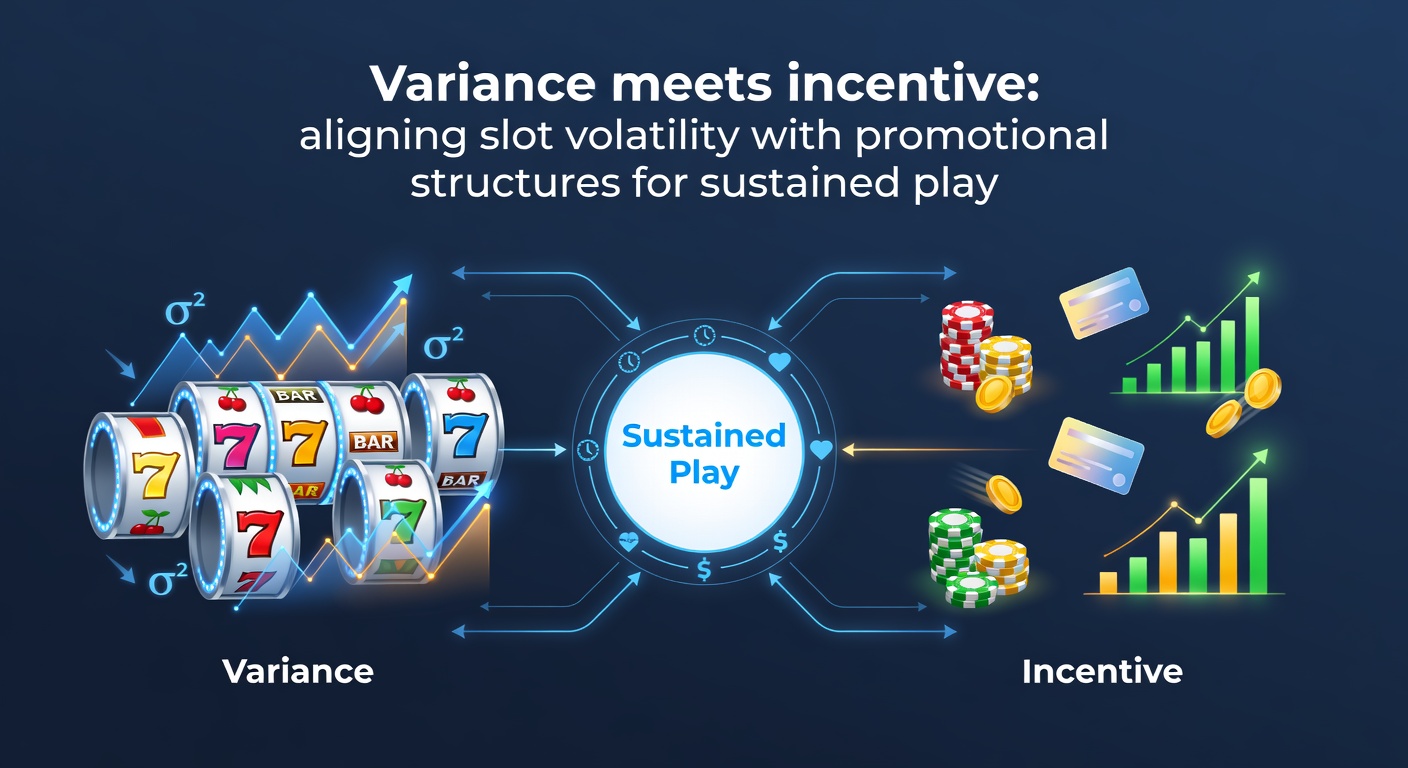
Aligning Slot Volatility with Incentive Structures for Extended Player Engagement
Slot games operate on distinct volatility patterns that determine win frequency and size, and operators match these patterns to promotional tools such as deposit matches, free spins, and cashback programs to maintain session length. High-volatility titles deliver infrequent but substantial payouts while low-volatility options produce smaller, more regular returns, and data from industry tracking services shows that alignment between these characteristics and bonus design influences how long players remain active on a given platform.
Defining Volatility Categories in Modern Slots
Game developers classify volatility into three primary tiers based on return-to-player distribution over thousands of spins. Low-volatility slots generate frequent modest wins that suit shorter sessions, whereas medium-volatility titles balance frequency with occasional larger outcomes. High-volatility machines concentrate returns into rare events that require extended play to realize their potential payout curves, and operators review these profiles when constructing bonus offers that extend time on device.
Market analysis conducted ahead of May 2026 indicated that platforms adjusted free-spin allocations according to each game’s volatility rating. Titles tagged as high-volatility received bundles of twenty to fifty spins with moderate wagering multipliers, while low-volatility games were paired with smaller cashback percentages that triggered after every fifty spins regardless of outcome.
Promotional Tools and Their Interaction with Variance
Deposit-match bonuses add funds that increase bankroll longevity across both high- and low-volatility selections, yet the multiplier attached to each match often differs by game category. Cashback structures return a fixed percentage of net losses after a set number of spins, and this mechanism pairs effectively with high-volatility slots because it offsets extended losing streaks that players encounter while awaiting larger payouts. Free-spin promotions reduce the cost of additional rounds and appear most frequently on medium-volatility titles where win frequency remains steady enough to convert bonus value into visible returns.
Operators segment player accounts by historical session data, then route offers that correspond to the volatility mix each individual tends to select. Players who gravitate toward high-volatility games receive reload bonuses scaled to cover at least one hundred additional spins, while those favoring low-volatility content obtain loyalty points that convert into small, frequent credits.
Implementation Patterns Observed in 2026

Platform dashboards introduced volatility filters in early 2026 that allowed players to sort catalogs by risk level before selecting a title. Once a player chose a high-volatility game, the system surfaced a tailored free-spin package that activated automatically after the first deposit of the session. Low-volatility selections triggered a separate cashback meter that accumulated across consecutive spins and paid out every thirty minutes of continuous play.
According to figures published by the Canadian Centre on Substance Use and Addiction, platforms that synchronized bonus triggers with volatility ratings recorded average session extensions of eighteen minutes compared with non-aligned offers. The same report noted that players who accepted volatility-matched promotions completed thirty-seven percent more spins before reaching withdrawal thresholds.
Regulatory Context Across Jurisdictions
Licensing authorities in multiple regions require clear disclosure of wagering requirements attached to each promotional category. European regulators mandate that operators display the volatility rating alongside bonus terms, while Australian state commissions require separate tracking of bonus conversion rates by game type. These rules encourage operators to maintain transparent mappings between volatility tiers and incentive structures, and compliance reports filed in the first quarter of 2026 showed widespread adoption of automated systems that flag mismatched offers before they reach player accounts.
Research released by the Australian Gambling Research Centre examined transaction logs from licensed sites and found that aligned promotions reduced early session terminations by twenty-two percent across sampled accounts. The study tracked activity through April 2026 and confirmed that players who received volatility-specific incentives continued play after the initial bonus round more often than those who received generic offers.
Measuring Sustained Engagement Outcomes
Operators track metrics such as time on device, total spins per session, and bonus conversion rate to evaluate whether volatility alignment produces measurable retention gains. Dashboards aggregate these figures weekly, and May 2026 updates introduced heat maps that highlighted which game categories benefited most from specific promotional pairings. High-volatility titles paired with extended free-spin bundles showed the largest lift in completed sessions, while low-volatility games paired with frequent small cashback credits maintained steady engagement across shorter visits.
Platform teams adjust parameters monthly based on these performance indicators. When a high-volatility title underperforms relative to its promotional allocation, operators reduce the wagering multiplier or shift the offer toward cashback instead of spins. Conversely, low-volatility games that exhaust cashback meters too quickly receive adjusted percentages that extend the accumulation window.
Conclusion
Slot volatility and promotional design intersect through data-driven segmentation that matches game risk profiles to incentive types. Operators apply these alignments across multiple regulatory environments, using session metrics collected through 2026 to refine offer structures. The resulting systems demonstrate consistent patterns where matched promotions extend average play duration while satisfying disclosure requirements imposed by licensing bodies in different regions.