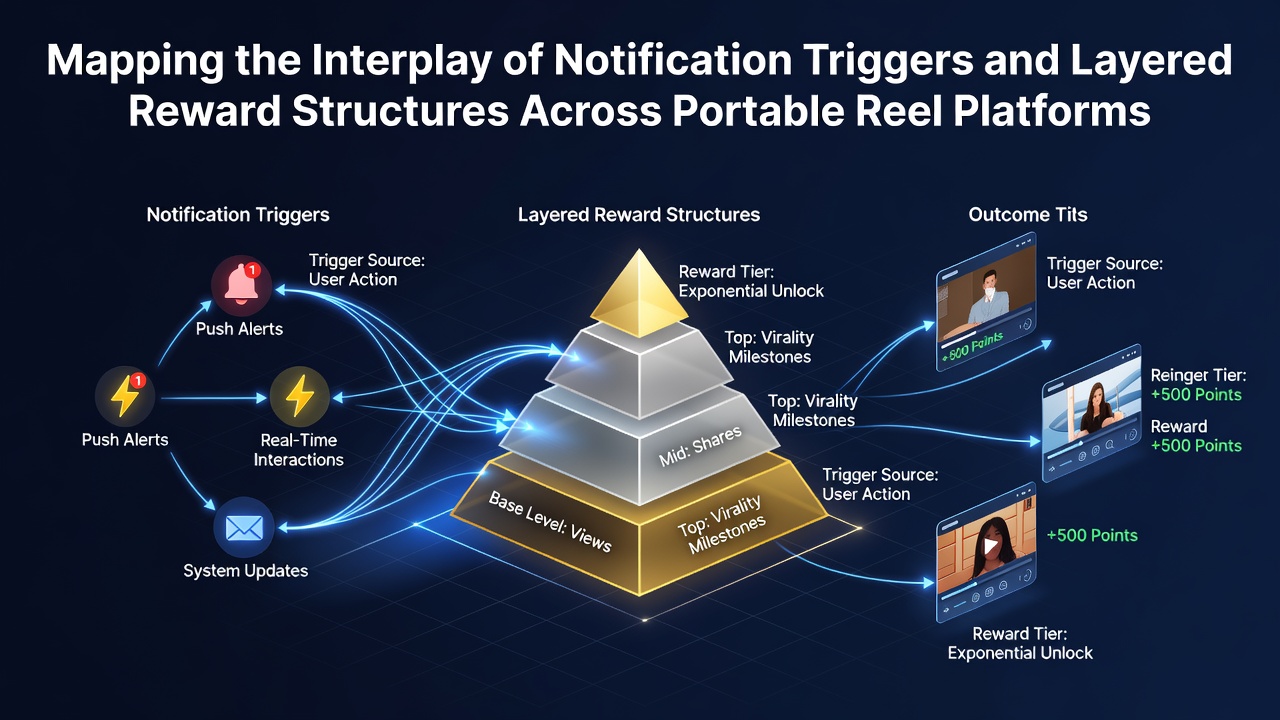
Charting Alert Mechanisms and Stacked Incentive Systems on Mobile Gaming Reels
Portable reel platforms rely on carefully timed notifications that activate layered reward structures, and researchers have mapped these connections through extensive platform analysis. Data from industry reports indicates that push alerts often serve as entry points into multi-tier systems where initial triggers unlock daily login bonuses, followed by milestone achievements that build on each other. Studies conducted across multiple operators reveal that notification frequency correlates directly with reward depth, with shorter intervals between alerts producing higher engagement rates in session tracking metrics.
Notification Triggers as Entry Points
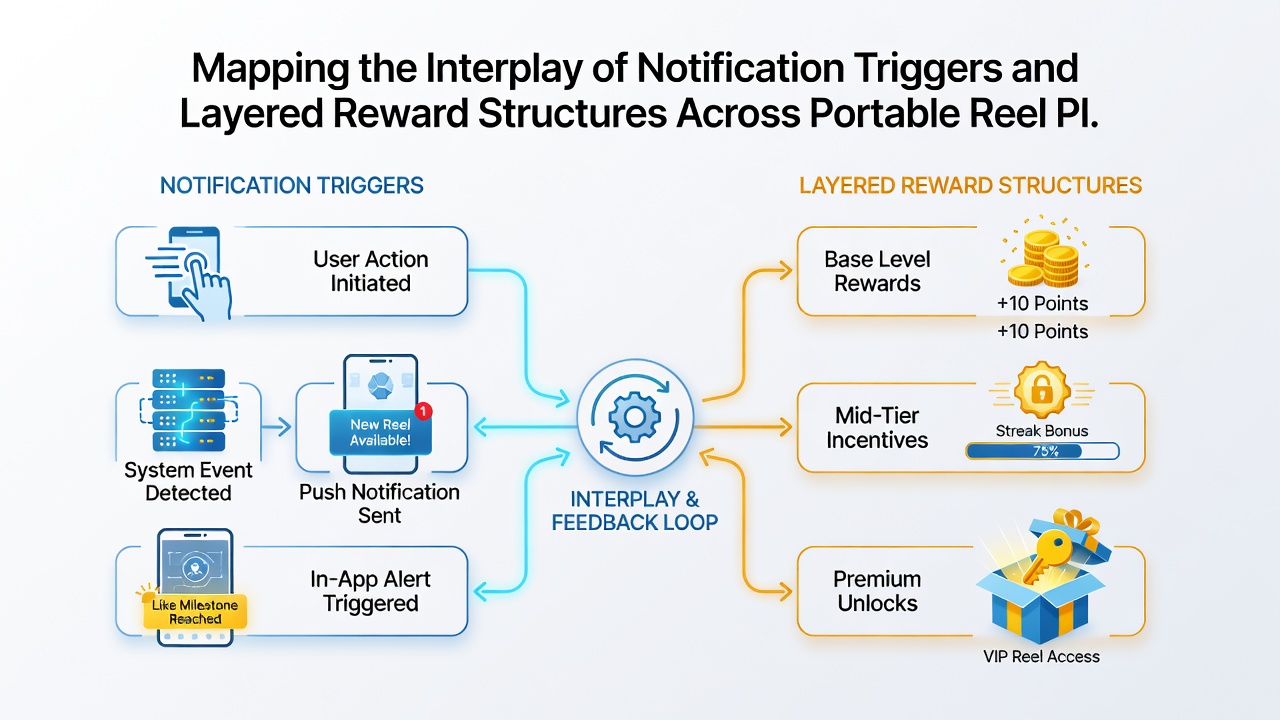
Alerts on these platforms typically fall into categories such as time-based reminders, event-driven prompts, and personalized achievement notices, while each category connects to specific reward layers. Observers note that time-based triggers, for instance, appear at fixed intervals like morning check-ins or evening session reminders, and these often initiate base-level incentives such as free spin allocations. Event-driven prompts activate during live tournaments or limited-time challenges, and they feed into mid-tier rewards that require user actions like completing reel spins within defined windows. Those who've examined platform logs find that personalized notices, drawn from individual play history, frequently escalate users into advanced layers involving cumulative point systems or exclusive jackpot access.
Layered Reward Architectures
Reward structures on portable reel platforms organize into progressive tiers that compound over time, and evidence suggests this design encourages sustained interaction. Base layers deliver immediate small-scale benefits like instant credit top-ups, whereas intermediate layers accumulate through repeated triggers and unlock enhanced multipliers. Advanced tiers, reached after consistent notification responses, introduce complex elements such as chained bonus sequences or cross-game reward transfers. Figures from operational data show that platforms implementing four or more distinct layers experience measurable increases in user retention metrics compared to simpler single-layer models.
Interplay Patterns Across Platforms
The interaction between notifications and rewards forms dynamic loops where one element amplifies the other, and platform analytics demonstrate this synergy clearly. When a notification arrives, it directs users toward an initial reward layer, yet successful completion of that layer generates follow-up alerts that push toward deeper tiers. This creates feedback cycles documented in user behavior studies, with data revealing average session extensions of 15 to 25 minutes when such loops activate fully. What's interesting is how geographic variations influence these patterns, since operators in regions like Australia adjust trigger timing to local time zones while maintaining the same layered progression seen in North American systems.
One case examined by analysts involved a platform that synchronized notification delivery with reward unlocks during peak evening hours, and results indicated a 30 percent rise in tier progression rates. Another example from Canadian markets highlighted how layered systems integrated social sharing prompts into alerts, thereby extending reach beyond individual users while feeding additional reward layers back into the core structure. Research from the Responsible Gambling Council supports these observations by tracking how structured incentives interact with user notification preferences across different jurisdictions.
Data Trends and Platform Comparisons
Operational figures released in June 2026 highlight continued growth in notification-driven reward engagement, with average daily alert volumes rising alongside tier completion rates. Comparisons between platforms show that those employing adaptive triggering algorithms outperform static systems, since algorithms adjust based on prior user responses to maintain momentum through reward layers. Industry organizations such as the American Gaming Association have compiled reports indicating that mobile-specific reel environments benefit most from this interplay due to constant device accessibility. Patterns also emerge in reward distribution, where base layers receive the highest activation volume yet advanced tiers deliver disproportionate value in long-term user metrics.
Technical Mapping Approaches
Analysts employ mapping techniques that chart notification pathways against reward hierarchies using flow diagrams and correlation matrices, and these tools expose hidden dependencies. For example, certain alerts only activate after users reach specific cumulative thresholds in lower layers, creating gated progressions that prevent premature escalation. Those studying these systems find that visual representations help identify bottlenecks, such as delays between trigger receipt and reward claim that reduce overall efficiency. Evidence from platform audits confirms that optimizing these connections leads to smoother user journeys without altering the fundamental layered architecture.
Conclusion
Mapping the interplay of notification triggers and layered reward structures reveals interconnected systems that drive platform functionality across portable reel environments. Data consistently shows how initial alerts feed into progressive tiers, forming cycles that sustain user activity through structured incentives. Continued examination of these dynamics, particularly following June 2026 updates, provides clearer insights into effective configurations that balance accessibility with depth across diverse operator implementations.