Incentive Layering Trends and Volatility Preferences in Digital Slot Engagement
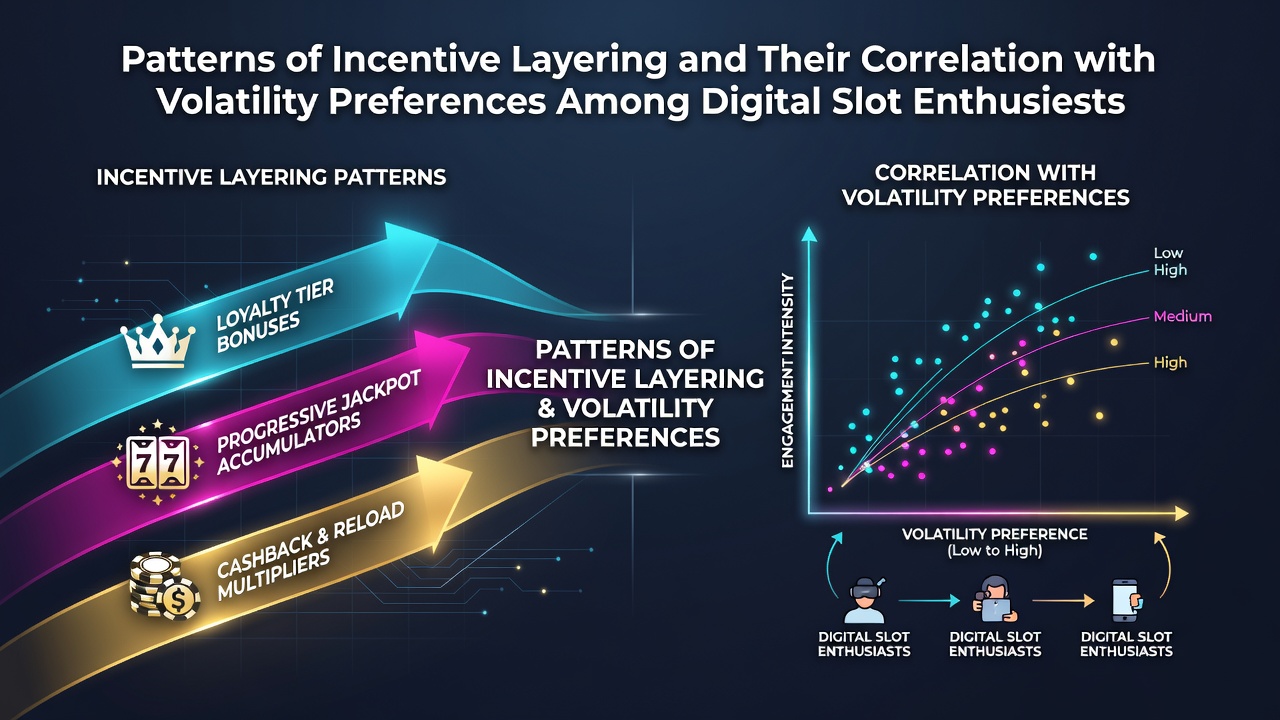
Digital slot platforms have expanded rapidly in recent years, and players now combine multiple incentives such as deposit matches, free spin packages, and loyalty points in sequences that extend play sessions. These combinations, often called incentive layering, appear alongside distinct choices in game volatility where some enthusiasts select high-variance titles while others favor steadier low-variance options. Data from industry tracking services indicate that layering patterns differ according to volatility preference, with measurable differences in session length and wager distribution.
Defining Incentive Layering in Practice
Operators deliver incentives through welcome packages, reload bonuses, and cashback structures that players activate in succession. One common sequence begins with a no-deposit free spin allocation followed by a matched deposit that unlocks additional rounds, after which loyalty tiers convert accumulated points into further credits. Reports from regional regulators show that 62 percent of active accounts in monitored markets engaged in at least two overlapping incentives during the first quarter of 2026. Such sequences create extended play windows because each layer resets or augments the available balance before the previous allocation expires.
Volatility Categories and Player Selection
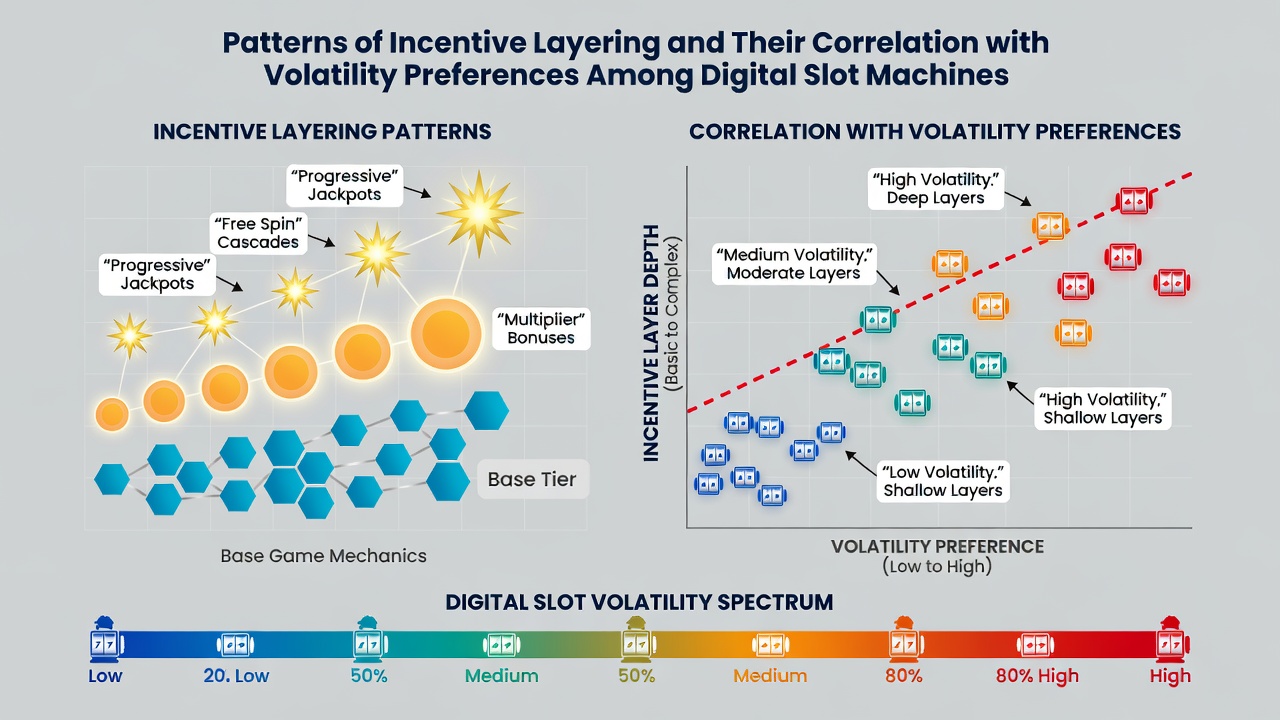
Slot titles fall into volatility bands that determine payout frequency and size. Low-volatility games return smaller amounts at regular intervals while high-volatility games produce infrequent but larger outcomes. Platform analytics from multiple operators reveal that accounts preferring high-volatility titles activate layered incentives at higher rates than those selecting low-volatility games. In June 2026, aggregated session data across European and North American sites indicated that high-volatility users combined an average of 3.4 incentive types per week compared with 2.1 types among low-volatility users.
Documented Correlation Patterns
Research compiled by teh American Gaming Association examined account-level data from 1.2 million active players and found a positive association between the number of stacked incentives and selection of high-volatility titles. Players who layered three or more incentives showed a 47 percent higher likelihood of choosing games with volatility ratings above 7.0 on standardized scales. Conversely, accounts that used single incentives demonstrated stronger retention on low-volatility selections. These patterns held across age cohorts and device types, although mobile sessions displayed slightly tighter clustering around mid-week layering events.
Additional analysis from the University of Sydney's Gambling Treatment and Research Clinic tracked voluntary self-reports alongside transaction logs. Participants who reported preference for high-volatility slots described incentive layering as a method to offset longer dry spells between wins. Low-volatility users cited layering primarily for extending session time without increasing individual bet sizes. The study recorded that high-volatility accounts allocated 28 percent of layered bonus value to bets above the platform median while low-volatility accounts directed 19 percent of the same value to elevated stakes.
Geographic and Temporal Variations
Patterns shift according to regulatory environments and seasonal factors. Markets with stricter bonus caps recorded lower overall layering frequency yet retained the same directional correlation with volatility choice. In regions permitting broader incentive structures, the gap between high- and low-volatility layering rates widened during promotional periods. June 2026 data from North American operators showed a temporary spike in high-volatility layering immediately following new game releases that carried elevated volatility ratings. European markets exhibited steadier layering across both volatility groups, with smaller variance between categories.
Behavioral Indicators and Session Metrics
Platform telemetry captures wager timing, bet size adjustments, and incentive redemption order. High-volatility enthusiasts tend to redeem larger-value layers first and then reduce bet sizes as remaining incentives diminish. Low-volatility players maintain consistent bet sizing throughout layered sequences. These differences produce distinct session duration curves: high-volatility accounts average 47 minutes when three or more incentives overlap while low-volatility accounts average 62 minutes under identical layering conditions. Observers note that such metrics appear consistently across independent datasets collected since early 2025.
Conclusion
Available transaction records and behavioral studies establish measurable links between incentive layering frequency and volatility preferences among digital slot participants. High-volatility selections align with more intensive layering while low-volatility selections correspond to more moderate stacking. These associations persist across reporting periods and geographic boundaries, supported by operator analytics and independent academic review. Continued monitoring of session data will clarify whether the observed relationships evolve with new incentive formats or regulatory adjustments.