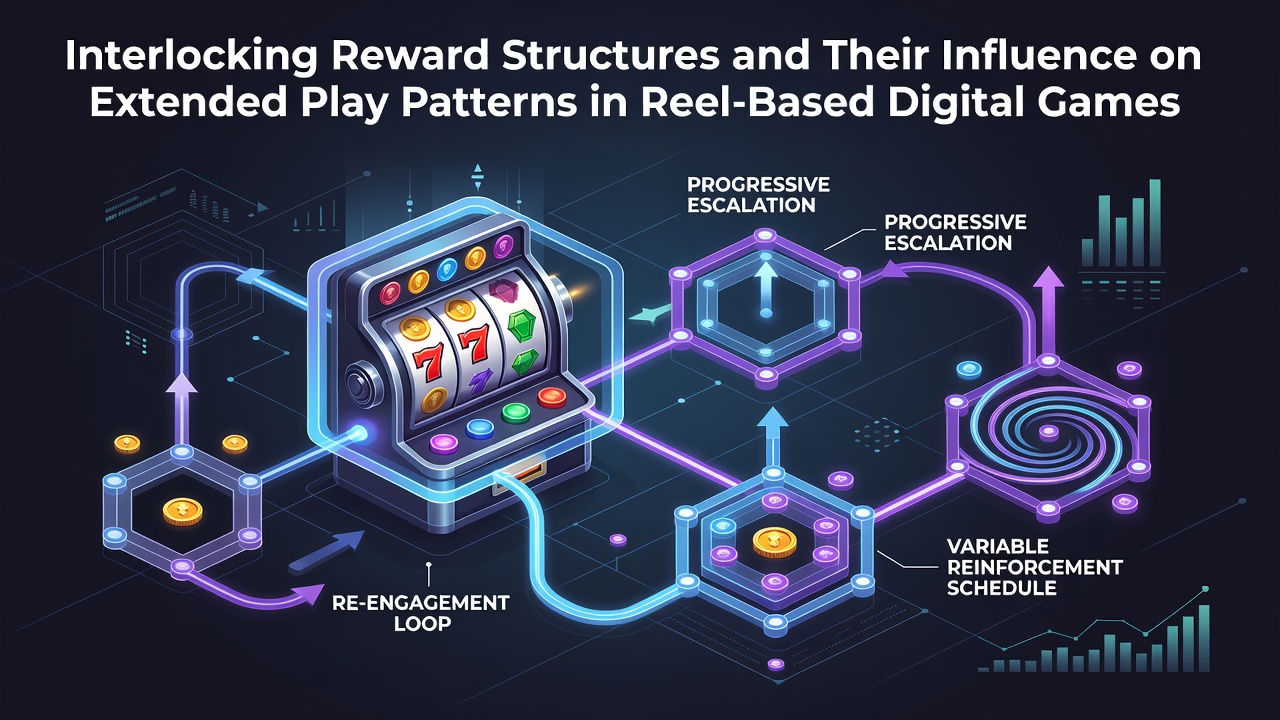
Interlocking Reward Structures Shaping Extended Play in Reel-Based Digital Games
Interlocking reward structures combine multiple incentive layers such as free spins, multipliers, cascading reels, and loyalty points that activate in sequence or simultaneously, and these systems encourage players to extend their sessions in reel-based digital games. Data from various gaming markets shows that when rewards build upon one another, average play duration increases because each completed cycle unlocks the next incentive level. Operators design these mechanisms so that progress in one feature directly feeds into others, creating a continuous loop of engagement that researchers track through session metrics across different platforms.
Core Components of Interlocking Systems
Reel-based games incorporate base game features like wild symbols and scatter triggers that feed into secondary bonuses, while those bonuses often include multipliers that carry forward into subsequent rounds. Loyalty programs add another layer by converting accumulated play into redeemable rewards that reset or upgrade existing features. Studies from academic institutions indicate that this layering produces measurable extensions in session length, with players remaining active longer when one reward type transitions directly into another without requiring separate actions.
Take one analysis of digital slot mechanics where cascading symbols not only clear winning combinations but also build toward a separate meter that activates enhanced free spin rounds. The meter fills through repeated cascades, and once full it triggers a multiplier that applies to both the current spin and upcoming bonus sequences. This interconnection means each element reinforces the others, and data collected from operator logs reveals higher retention rates in titles employing such chained mechanics compared to standalone features.
Patterns in Session Duration and Player Retention
Industry reports compiled across North American and European markets demonstrate that games with multiple interlocking rewards record average session times 25 to 40 percent longer than those relying on isolated bonuses. Players advance through progressive stages where completing a free spin round contributes points toward a loyalty tier that then unlocks higher-value multipliers in the base game. These patterns emerge consistently in aggregated telemetry data, showing reduced drop-off rates once the first reward layer activates the second.
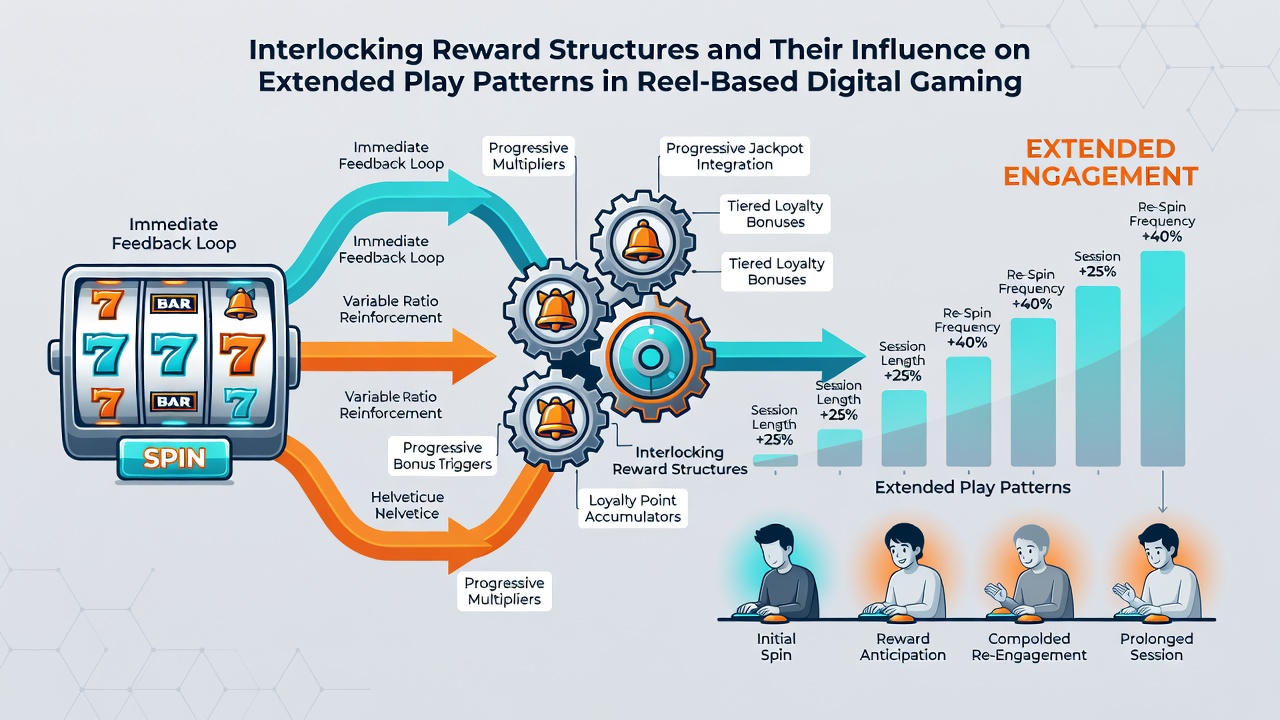
What's notable is the timing of these transitions, which often align with natural points where players might otherwise pause. A completed bonus sequence deposits additional credits or feature upgrades that immediately apply to the next spin, and this seamless handoff keeps momentum intact. Research published by the Australian Gambling Research Centre found similar extensions in play patterns when reward structures included carry-over multipliers from one round to the next, with session data indicating fewer voluntary exits during active chains.
Regional Regulatory Contexts and July 2026 Developments
Regulatory bodies in different jurisdictions have begun examining how these structures affect play behavior, with updates scheduled for implementation around July 2026 in select markets. Canadian provincial regulators, for instance, require operators to disclose how interlocking features calculate contribution toward wagering requirements, while similar transparency rules appear in forthcoming Australian guidelines. These measures aim to clarify the mechanics without restricting the reward layering itself, and early compliance reports suggest operators adjust disclosure formats to maintain the same incentive flow.
One study released in early 2026 by the University of Nevada, Las Vegas gaming research group examined player logs from regulated markets and noted that interlocking systems correlate with extended sessions even after accounting for stake size variations. The findings link specific design choices, such as loyalty points earned during free spins that convert into base game enhancements, to sustained activity levels across multiple hours. Observers note that these patterns hold across diverse player demographics when the reward layers remain interconnected rather than presented as separate options.
Examples from Platform Implementations
Platforms operating under Ontario's regulated framework have introduced titles where bonus buy options integrate directly with progressive loyalty meters, allowing purchased features to contribute toward higher reward tiers. This design means a player activating a bonus buy not only receives immediate spins but also advances a separate progress bar that unlocks future multipliers. Session data from these implementations shows extended play windows because the dual benefit structure reduces the perceived separation between paid and earned rewards.
Similar mechanics appear in titles distributed through Australian online channels, where cascading reel sequences build toward community jackpot contributions that in turn feed back into individual multiplier pools. The interconnection ensures that activity in one area influences outcomes in another, and aggregated reports indicate players continue sessions to reach the next threshold. These examples illustrate how the structural linkage operates across regions while complying with local disclosure standards.
Conclusion
Interlocking reward structures in reel-based digital games create sequenced incentive pathways that data consistently associates with longer average play sessions across multiple markets. The combination of base features, bonus rounds, multipliers, and loyalty elements forms continuous engagement loops that operators refine based on telemetry metrics. As regulatory frameworks evolve with updates targeted for July 2026 in various regions, the core design principles remain focused on measurable extensions in player activity through layered progression rather than isolated triggers.