Slot Volatility Influences Bonus Tactics in the UK Gaming Sector
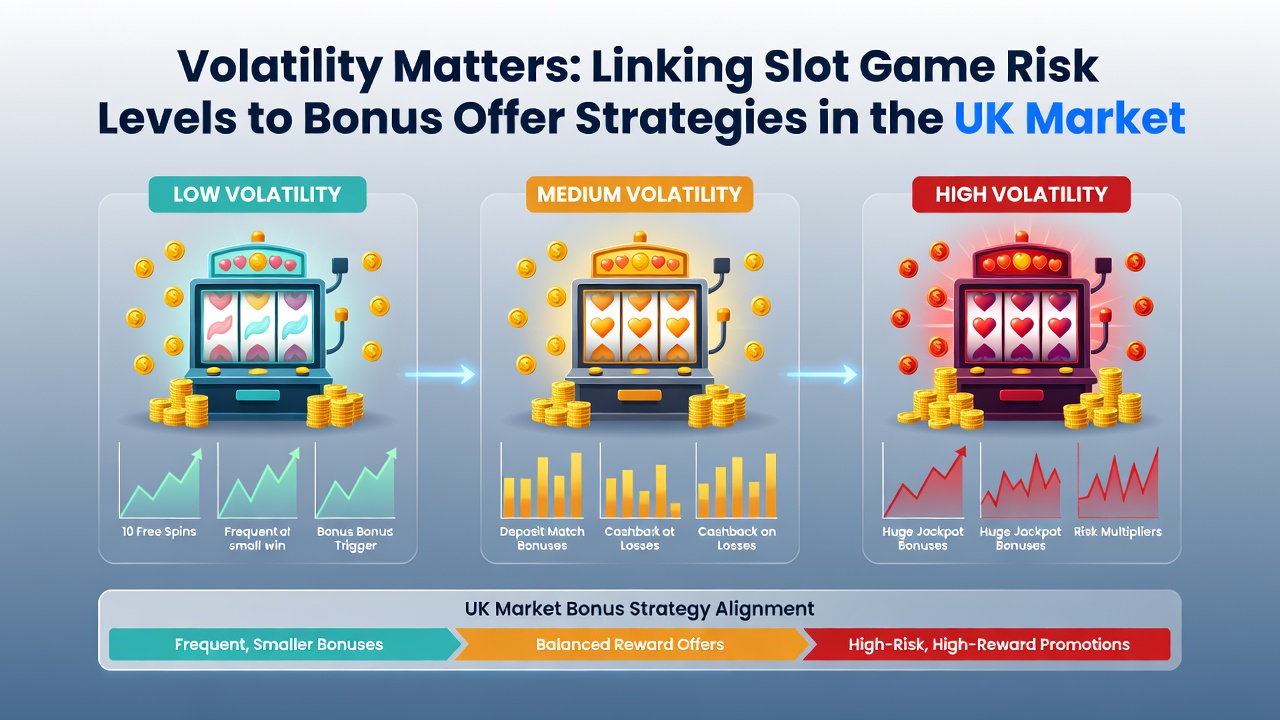
Slot game volatility determines how often wins occur and how large those payouts tend to be, while bonus offers from operators adjust accordingly to match player expectations and session lengths across the UK market. Low-volatility titles deliver frequent but smaller returns, medium-volatility options balance consistency with occasional larger hits, and high-volatility machines produce rarer yet potentially substantial rewards that can alter bankrolls dramatically in single spins.
Operators structure welcome packages, free spin allocations, and cashback programs around these risk profiles because players approach each category with distinct session goals and risk tolerances. Data from mid-2026 shows that bonus redemption patterns shift noticeably when volatility categories receive targeted promotions, with free spins appearing more often on medium-volatility releases and deposit-match incentives pairing with high-volatility games to extend playtime during longer dry spells.
Defining Volatility Categories in Current UK Slots
Volatility functions as a statistical measure of payout distribution rather than a guarantee of results, and researchers at various gambling studies centers have documented how different volatility bands affect average session duration and total wager volume. Low-volatility slots such as certain classic fruit machines or themed releases with stacked symbols trigger wins in roughly one out of every three spins on average, yet those wins rarely exceed five times the stake. Medium-volatility titles introduce more variance through features like expanding wilds or multi-level bonus rounds, creating win frequencies around one in five spins with occasional payouts reaching twenty or thirty times the bet.
High-volatility games rely on progressive multipliers, cascading reels, or jackpot triggers that activate infrequently, sometimes once every hundred spins or more, but the potential returns can reach hundreds or thousands of times the initial wager. August 2026 figures from operator performance summaries indicate that high-volatility releases continue to attract disproportionate bonus spend because players seek the amplified effect that free spins or bonus buys deliver on those titles.
Bonus Offer Structures Aligned With Risk Levels
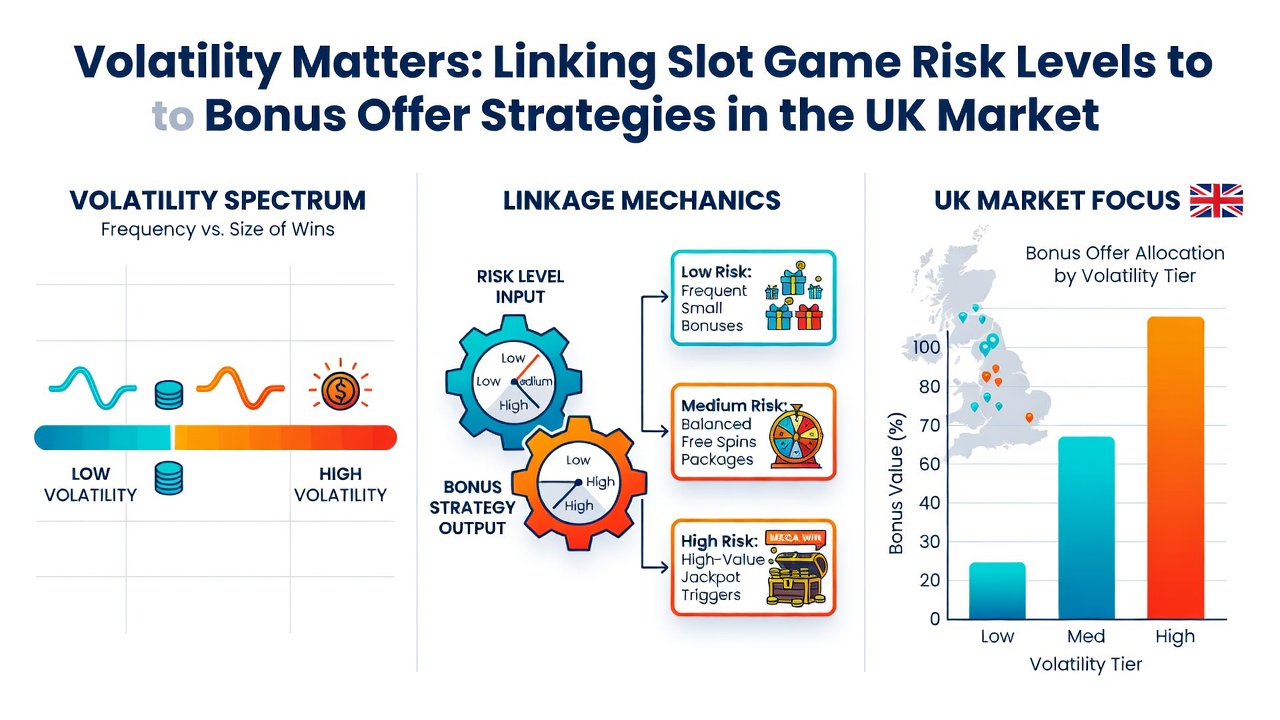
Free spin promotions appear most frequently on medium-volatility slots because the mechanic extends play without requiring additional deposits while still offering meaningful hit rates that keep engagement steady. Operators allocate larger free spin quantities, often fifty or one hundred spins, to these games during promotional windows, whereas high-volatility titles receive smaller quantities paired with higher per-spin values or multiplier enhancements that compensate for lower activation rates. Cashback offers, by contrast, cluster around high-volatility selections because the longer intervals between wins make partial stake recovery more attractive to players who might otherwise end sessions early.
Deposit-match bonuses follow a similar logic, with percentage boosts and maximum caps adjusted according to the expected variance. Low-volatility games receive modest match rates that suit shorter, frequent sessions, while high-volatility titles pair with larger match percentages that encourage bigger initial deposits to weather extended losing streaks. Industry analyses released in summer 2026 confirm that these tailored structures produce higher bonus conversion rates when volatility alignment is explicit rather than generic.
Player Behavior Patterns and Offer Redemption
Players who favor low-volatility slots tend to redeem smaller, more frequent bonuses such as daily free spin drops or loyalty cashback that complement steady, low-stake play. Those drawn to high-volatility machines more often activate no-deposit free spin offers or bonus-buy features because the added spins or purchased entries increase exposure to rare jackpot or multiplier events without proportionally increasing total stake. Observers note that session length data from 2026 reveals high-volatility bonus users maintain play for an average of forty percent longer when incentives directly offset variance.
One documented case involved a series of medium-volatility releases that received combined free spin and cashback bundles in August 2026, resulting in measurable increases in both active users and average wager per session according to aggregated platform metrics. Another pattern emerged when high-volatility progressive titles offered deposit matches capped at higher thresholds, prompting larger single deposits that operators tracked through redemption logs.
Regulatory Context and Market Adjustments
Market adjustments in 2026 incorporated updated stake parameters and bonus transparency requirements that indirectly influenced how operators present volatility-linked offers. External analyses from the Responsible Gambling Council highlight that clear disclosure of volatility alongside bonus terms correlates with steadier player retention across risk categories. Additional reports compiled by the Australian Gambling Research Centre on international slot markets provide comparative data showing similar alignment strategies in other regulated environments.
These external benchmarks help UK operators refine their approaches without relying solely on domestic performance indicators. Bonus structures continue evolving in response to player feedback loops and redemption analytics that track which volatility tiers convert offers most efficiently during different times of day and week.
Conclusion
Volatility remains a central variable that shapes how bonus offers are constructed, promoted, and redeemed within the UK slot market. Low-, medium-, and high-volatility categories each attract distinct incentive designs that reflect payout frequency and magnitude, producing measurable differences in session behavior and offer uptake. Continued monitoring of 2026 performance data will likely reveal further refinements as operators refine these linkages to match evolving player preferences and regulatory parameters.