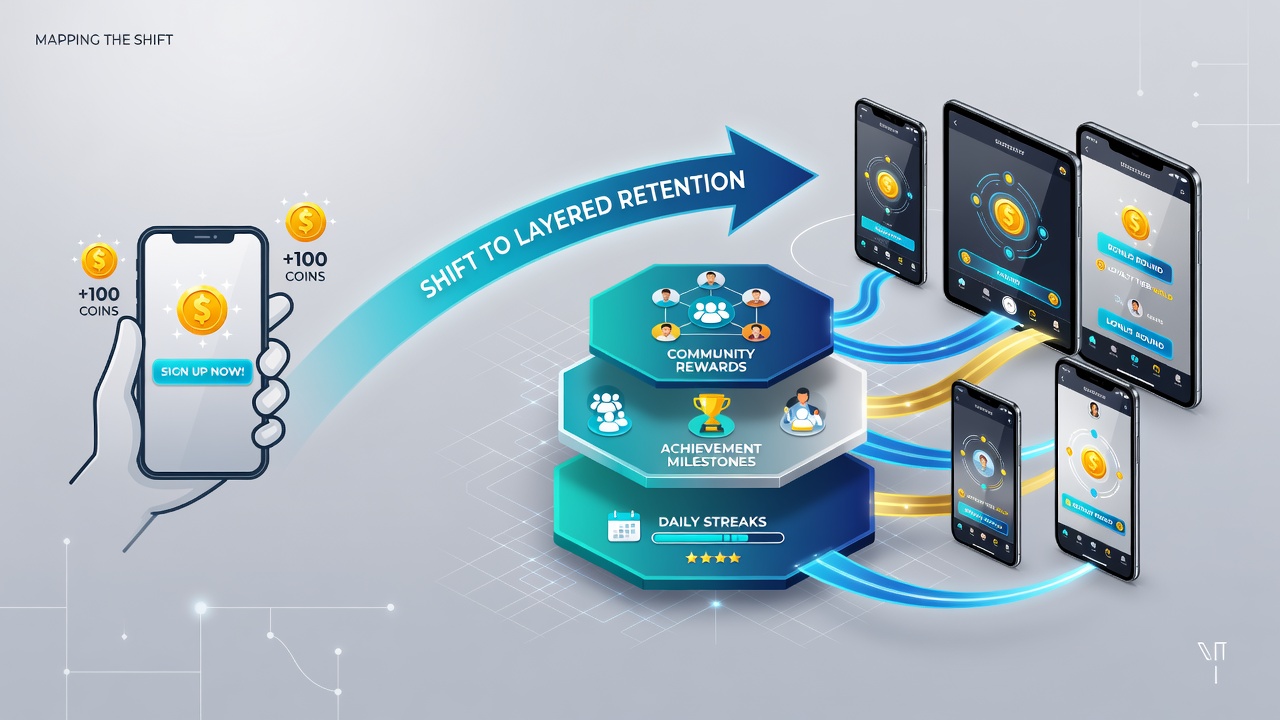
Tracking the Move from Initial Signup Rewards to Multi-Layered Retention in Mobile Slot Platforms
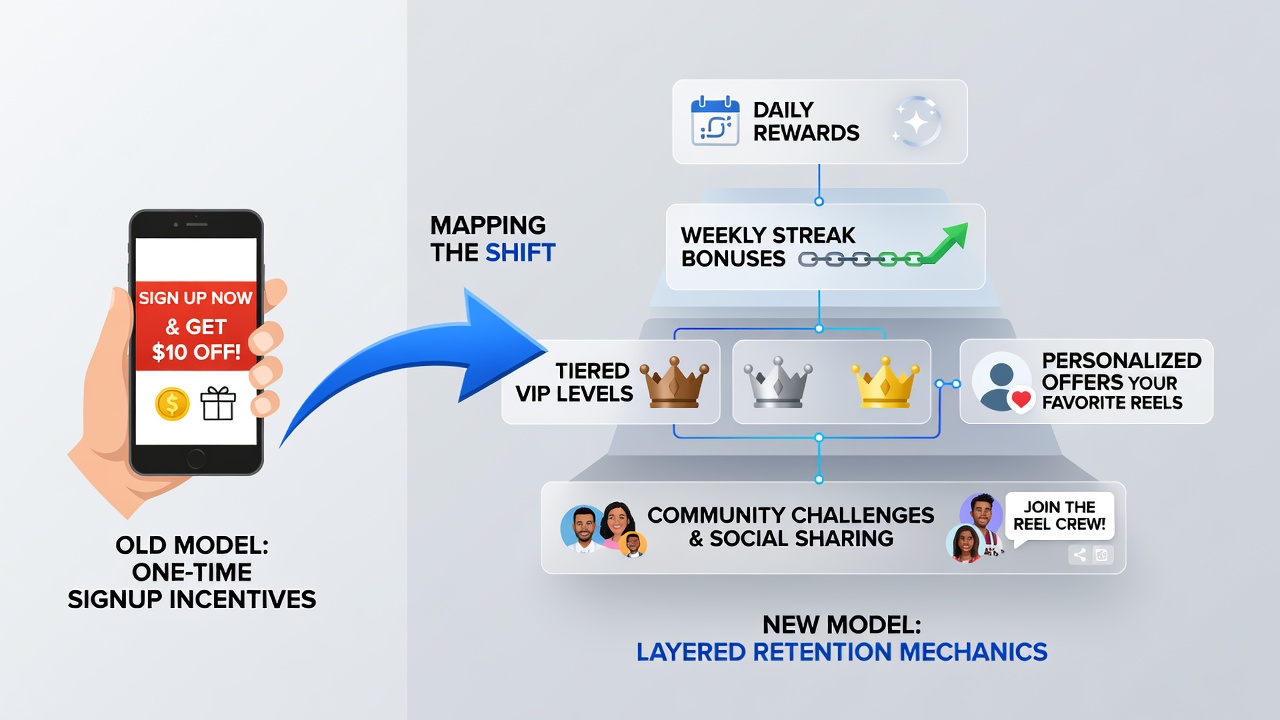
Operators in handheld reel ecosystems have begun replacing one-time signup incentives with systems that build retention through repeated engagement, and this transition has accelerated during 2026 as platforms collect more granular player data. Data from regulatory filings shows that many sites now allocate resources to daily login streaks, personalized mission sets, and tiered loyalty ladders instead of front-loaded deposit matches, while figures from industry reports indicate average session lengths have increased when these mechanics are active.
Handheld platforms track user behavior across multiple sessions, allowing them to deliver rewards that scale with continued play rather than granting everything at registration. Observers note that this approach emerged after operators observed high churn rates following single bonus redemptions, and studies from research institutions have confirmed that players who receive staggered incentives tend to maintain activity over longer periods.
Core Components of Layered Retention Systems
Retention mechanics typically combine several elements that activate at different points in the player lifecycle, and these include level-based progress bars, streak counters, and conditional multipliers that unlock after specific actions. Platforms deliver these through push notifications and in-app messages, which reach users directly on their devices without requiring repeated visits to a promotions page. One study from a Canadian research center found that operators using such sequences reported higher retention metrics compared to those relying primarily on initial offers.
Daily reward calendars form another layer where players collect incremental prizes for consecutive logins, and these often escalate in value toward the end of the week or month. Mobile applications integrate these calendars with the main reel interface so users see their current streak status immediately upon opening the app, which reduces friction in claiming ongoing benefits.
Personalized challenges represent a further development, as algorithms assign tasks based on individual play history rather than generic requirements, and this customization draws from data collected across thousands of sessions. Industry organizations tracking these patterns have documented a rise in challenge completion rates when the objectives align closely with a player's preferred game types.
Regulatory and Market Context in Mid-2026
Changes in incentive structures coincide with broader regulatory adjustments that took effect earlier in the year, and operators adjusted their marketing strategies accordingly. Reports from the Australian Gambling Research Centre highlight similar movements in other jurisdictions where authorities encouraged clearer communication of reward terms, prompting platforms to emphasize long-term engagement over immediate bonuses. By August 2026, several major providers had rolled out updated dashboards that display projected retention rewards alongside current balances.
Market data compiled by gaming associations shows that mobile slot revenue shares attributed to returning users rose steadily through the first half of 2026, whereas the proportion tied to new registrations stabilized or declined slightly. These shifts occurred alongside updates to device operating systems that improved notification delivery and background data syncing, which in turn supported more reliable delivery of layered incentives.
Academic papers examining player behavior have noted that retention-focused designs often incorporate variable reward schedules similar to those found in the core game mechanics themselves, and this alignment can extend time spent on the platform. Developers integrate these elements without altering the underlying reel mathematics, keeping the primary gameplay unchanged while surrounding it with additional progression systems.
Implementation Patterns Across Providers
Larger operators tend to deploy these layered systems through dedicated loyalty applications that connect multiple game titles, allowing progress to carry over between different reel experiences. Smaller platforms sometimes partner with third-party retention tools that handle the tracking and delivery, which reduces development overhead while still providing comparable functionality. Evidence from operator disclosures indicates that integration timelines averaged three to four months during the spring and summer of 2026.
Testing phases typically involve A/B comparisons between cohorts receiving traditional signup packages and those exposed to the new retention sequences, and results from these trials guide final rollout decisions. Researchers at university-affiliated centers have analyzed anonymized datasets from such tests, finding measurable differences in repeat visit frequency after the layered mechanics activate.
Cross-device continuity ensures that progress made on a phone carries over to tablets or other handhelds when users switch, and this feature relies on cloud-based account linking that most major platforms now support. Observers point out that seamless continuity reduces friction that previously caused players to abandon streaks when moving between devices.
Conclusion
The documented transition from one-time signup incentives to layered retention mechanics continues to reshape how handheld reel platforms manage player engagement, with data from multiple regions confirming increased adoption by August 2026. Regulatory bodies outside the UK, including those in North America and Australia, have published guidelines that encourage transparent presentation of these ongoing systems, and industry reports track corresponding changes in session metrics. Providers that implement these mechanics report sustained activity patterns, while ongoing research examines long-term effects on player behavior across different market segments.