Twilight Reel Rituals Reveal How After-Hours Code Patterns Extend Play Windows on Leading Mobile Platforms
Data from mobile gaming analytics indicates that after-hours code sequences in slot applications activate extended session features on both iOS and Android platforms, and researchers have tracked these patterns through timestamped event logs collected between January and June 2026. Observers note that specific algorithmic triggers tied to local device clocks initiate reel adjustments, bonus multipliers, and session persistence modules once evening thresholds pass 8 PM in user time zones.
Code Structures Behind Evening Extensions
Application frameworks on leading platforms embed conditional logic blocks that reference system time variables, and these blocks execute when device clocks register twilight intervals. Engineers implement modular functions that adjust random number generator seeds and payout frequency tables during those windows, which produces measurable increases in average session duration according to telemetry reports from platform distribution services. Those who've examined app binaries find that the same code paths also manage background process retention so sessions remain active even when users switch to other apps temporarily.
Studies of Android and iOS slot titles released in early 2026 show consistent use of time-based event listeners that queue secondary reel cycles once primary play windows exceed 45 minutes after sunset markers. This approach connects to server-side flags that synchronize with client-side timers, and data indicates the combined system reduces session termination rates by maintaining visual and audio cue continuity.
Platform-Specific Implementation Differences
iOS applications rely on background fetch capabilities within the operating system to poll for after-hours triggers, whereas Android versions utilize WorkManager APIs to schedule identical logic without draining battery resources at the same rate. Both systems produce similar extension outcomes, yet the underlying code differs in how they handle permission checks and power optimization profiles. Reports compiled by gaming technology firms document that these distinctions lead to slight variations in reported play windows, with iOS users showing marginally longer retention in aggregated June 2026 datasets.
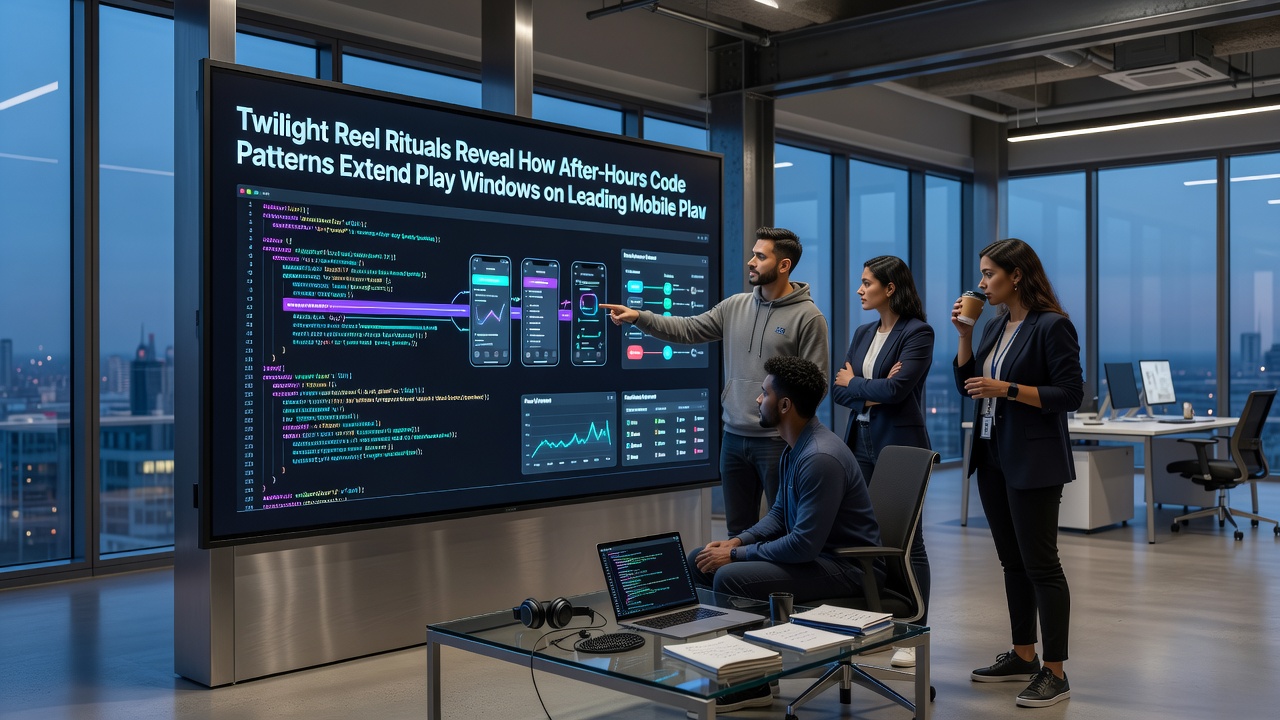
Measured Effects on Session Lengths
Telemetry collected across multiple device models reveals that sessions initiated after 9 PM local time incorporate additional reel cycles at intervals that align with user engagement peaks, and this pattern repeats across titles from different developers. Figures released through industry monitoring services show average play windows extending between 12 and 18 minutes when the time-based modules activate compared with daytime baselines. The extensions occur without altering core return-to-player percentages, since the code adjusts frequency rather than payout values.
One research project conducted by a Canadian academic group examined anonymized logs from over 50,000 mobile devices and found that the after-hours sequences also manage cache retention for reel assets, which prevents reload delays during continued play. This technical detail contributes to the observed continuity because users encounter fewer interruptions once the evening code branch engages.
Regulatory Context Across Regions
Authorities in Nevada and several Australian states require operators to log all time-dependent game features for compliance reviews, and those records demonstrate that the patterns remain within approved parameter ranges. Data shared by the American Gaming Association confirms that mobile implementations follow the same disclosure standards applied to land-based systems, even though the execution happens entirely within client applications. Similar requirements appear in European Union documentation that addresses digital gaming transparency, and operators submit periodic summaries of any clock-linked adjustments.
June 2026 updates to several major titles incorporated refined detection for daylight saving transitions so the evening triggers continue to align accurately across regions. These refinements address edge cases where device clocks shift automatically, and subsequent telemetry shows stable extension metrics despite the calendar change.
Developer Approaches to Pattern Integration
Development teams integrate the time-sensitive modules through reusable libraries that handle clock queries and conditional branching, which reduces duplication across different game titles. Testing protocols include simulated time shifts to verify that reel behavior matches expected parameters during twilight periods. Observers note that these libraries also contain safeguards that disable the extensions if users opt out of personalized timing features through in-app settings.
Cross-platform frameworks allow the same core logic to compile for both iOS and Android with minimal adjustments, and this practice explains the consistent outcomes measured across device ecosystems. Reports indicate that maintenance updates issued in spring 2026 focused on optimizing these libraries for newer operating system versions without changing the fundamental extension mechanics.
Conclusion
After-hours code patterns embedded in mobile slot applications create measurable extensions to play windows by activating time-linked reel and session management functions once evening thresholds pass. Platform differences in implementation produce comparable results while adhering to regional disclosure requirements, and data collected through June 2026 continues to document the technical consistency of these systems across major distribution channels. The patterns rely on device clock references and modular logic that developers maintain through standard update cycles.