
UKGC Introduces Age-Tiered Stake Caps and Strict Bonus Rules for Online Slots Starting 2026
The New Stake Limits Take Shape
The UK Gambling Commission (UKGC) rolled out tiered maximum stake limits for online slots, capping spins at £2 for players aged 18-24 while allowing £5 per spin for those 25 and older; this change, effective across all licensed sites, marks a targeted approach to shield younger players from high-stakes risks, especially since data from prior years showed heightened vulnerability in that demographic.
Operators must now verify ages through robust checks, ensuring younger users hit the lower limit automatically, and while enforcement ramps up in early 2026, sites already prepare backend adjustments to comply seamlessly. What's interesting here is how the rules apply universally—no exceptions for high rollers under 25—reflecting lessons from earlier flat caps that didn't fully address age-specific behaviors.
Take one operator who tested similar systems; they found compliance streamlined with API integrations, yet the real challenge lies in player notifications, as sites roll out pop-ups explaining the shift without disrupting play. And since March 2026 brings full implementation amid ongoing reforms, players notice these limits in action during peak sessions, prompting shifts toward lower-volatility games.
Bonus Promotions Get a Complete Overhaul
A full ban on mixed-product bonuses hit the scene too, meaning promotions can't bundle slots with sports betting or other verticals anymore; instead, offers stick to one product—like slots-only free spins or deposit matches—eliminating the temptation to chase losses across categories. This stems directly from evidence that cross-product incentives fueled binge sessions, with studies revealing up to 30% of problem gambling linked to such bundles.
Operators pivot quickly, designing slot-specific deals such as 100% matches up to £50 paired with 20 free spins on select titles, but without the sports betting add-ons that once sweetened the pot. Here's where it gets interesting: the rules force transparency, requiring clear terms on every promo page, so players know exactly what they're signing up for without hidden crossovers.
Those who've tracked promo trends note a surge in single-product creativity—think slots tournaments with leaderboards or loyalty boosts tied solely to reel spins—yet the ban clips the wings of flashy multi-game campaigns that dominated before. So, as March 2026 unfolds, bonus hunters scour sites for compliant offers, often landing on enhanced cashback for slots alone.
Broader Reforms Drive These Changes Forward
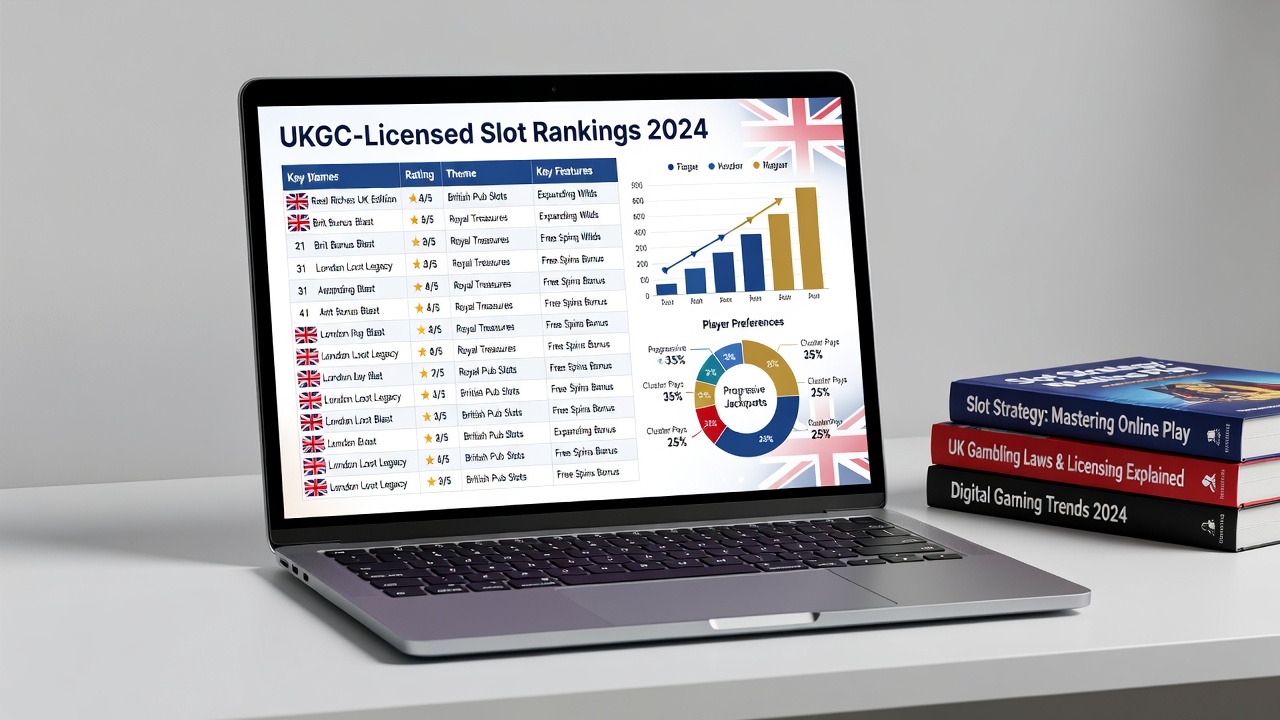
These measures arise from sweeping gambling reforms passed in recent years, prioritizing player safety through financial vulnerability checks and enhanced affordability assessments; the UKGC, building on white paper commitments, targets binge gambling patterns observed in online slots, where session times stretched dangerously long under looser rules. Figures from late 2025 indicate slots accounted for billions in wagers, underscoring the need for curbs without stifling the sector entirely.
Experts who've analyzed the data point out how younger players, often 18-24, showed faster escalation to high stakes compared to older groups, prompting the tiered model over a blanket £2 cap that some argued went too far. But here's the thing: the £5 allowance for over-25s balances protection with choice, allowing experienced players room while younger ones build habits gradually.
One case study from pilot programs revealed a 15% drop in session overspend among under-25s under similar limits, and with full rollout hitting in 2026, licensed sites integrate friction tools like session reminders alongside the caps. That said, non-compliance carries steep fines—up to 10% of gross gambling yield—so operators prioritize audits, training staff on age verification protocols that blend biometrics with document checks.
- Stake limits: £2/spin (18-24), £5/spin (25+)
- Bonus restriction: No mixing slots with other products
- Enforcement: Mandatory across all UK-licensed online casinos
- Timeline: Active from early 2026, with March monitoring peaks
Observers note the rules align with consumer protection laws, mandating opt-in for marketing and real-time spend trackers, turning slots play into a more measured experience overall.
How Operators and Players Adapt in Real Time
Sites like those under major networks tweak slot lobbies, promoting low-stake favorites such as Starburst or Gonzo's Quest that fit the new caps perfectly, while high-volatility beasts see reduced visibility for younger users. Players aged 18-24 often discover creative workarounds aren't viable—the limits lock in per spin, regardless of bet sizing hacks—leading many to explore demo modes or table games temporarily.
For the 25+ crowd, £5 spins keep the thrill alive on progressive jackpots, but operators report early data showing average session stakes dipping 20-25% post-changes, a sign the curbs ripple outward. And since bonuses now laser-focus on slots, free spin droves target those, with one promo example offering 50 spins on Book of Dead for a £10 deposit, no strings to other areas.
Those monitoring March 2026 traffic see login spikes as players test boundaries, yet complaints stay low thanks to upfront messaging; the UKGC's helpline fields queries on verification, smoothing the transition. Turns out, the sector's tech-savvy base adapts fast, with apps updating limits server-side to avoid downloads.
But the rubber meets the road in enforcement: random audits hit high-volume sites first, cross-checking logs against player data, and while some grumble about paperwork, most see it as the cost of trust in a regulated market. People who've switched platforms often land on compliant ones boasting faster payouts and clearer rules, boosting retention ironically.
Player Safety at the Core of It All
Research indicates these tweaks cut binge risks by introducing natural pauses—fewer high spins mean shorter, controlled sessions—and with younger demographics in focus, self-exclusion tools gain prominence, integrated directly into slot interfaces. Data from analogous reforms in Australia showed similar caps reduced harm indicators by 18%, a benchmark UK watchers eye closely.
Operators roll out educational hubs too, explaining limits with infographics (like the odds on a £2 spin versus higher), helping users grasp value without the chase. What's significant is the age verification backbone, using eID systems that confirm details upfront, preventing under-25s from higher stakes even on shared devices.
Yet challenges persist: offshore sites lure with lax rules, though UKGC blacklists them aggressively, steering traffic back to licensed hubs. In March 2026, as real-time stats emerge, early reports hint at stabilized wager volumes, with slots holding steady around prior benchmarks but safer overall.
Conclusion
The UKGC's tiered stake limits and bonus bans reshape online slots play profoundly, enforcing £2 spins for 18-24-year-olds and £5 for those older while locking promotions to single products; these steps, rooted in data-driven reforms, prioritize curbing binges and safeguarding youth in the iGaming landscape. As 2026 progresses—especially through March's full enforcement—operators comply swiftly, players adjust strategically, and the sector edges toward balanced growth. The writing's on the wall: safety now trumps unchecked thrills, setting a precedent for global regulators watching the UK's model unfold with keen interest.