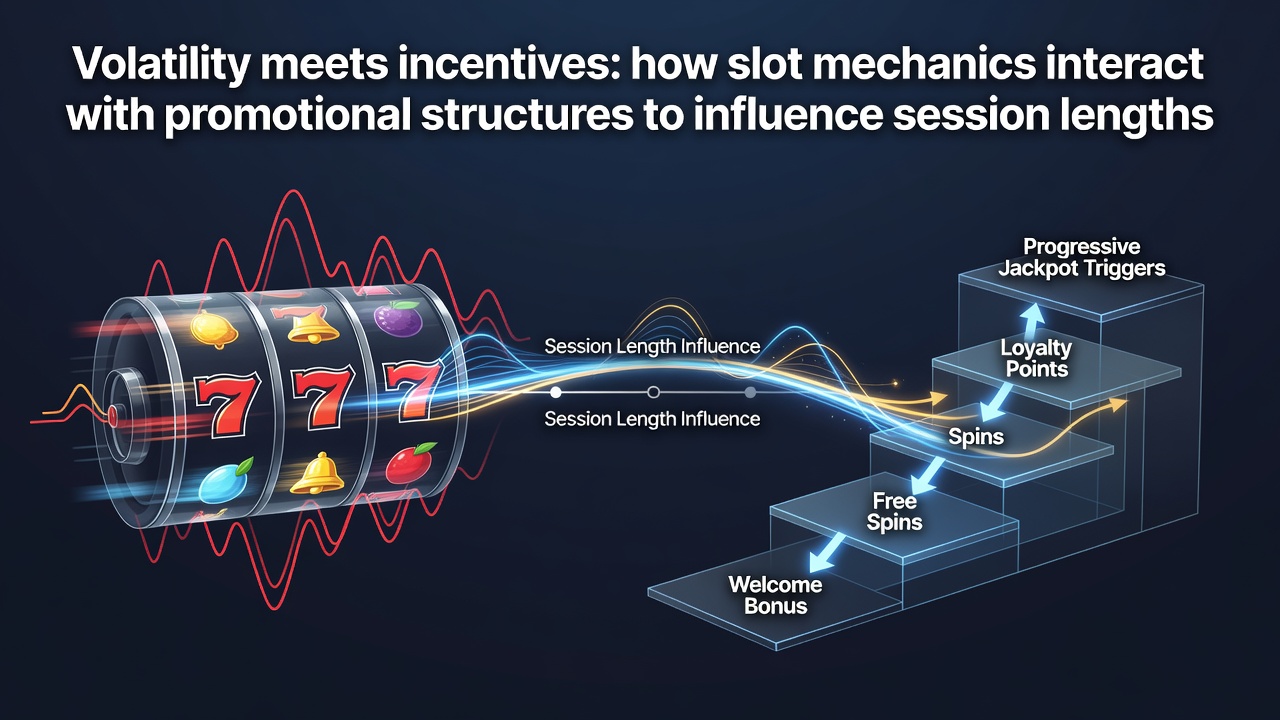
Volatility meets incentives: how slot mechanics interact with promotional structures to influence session lengths
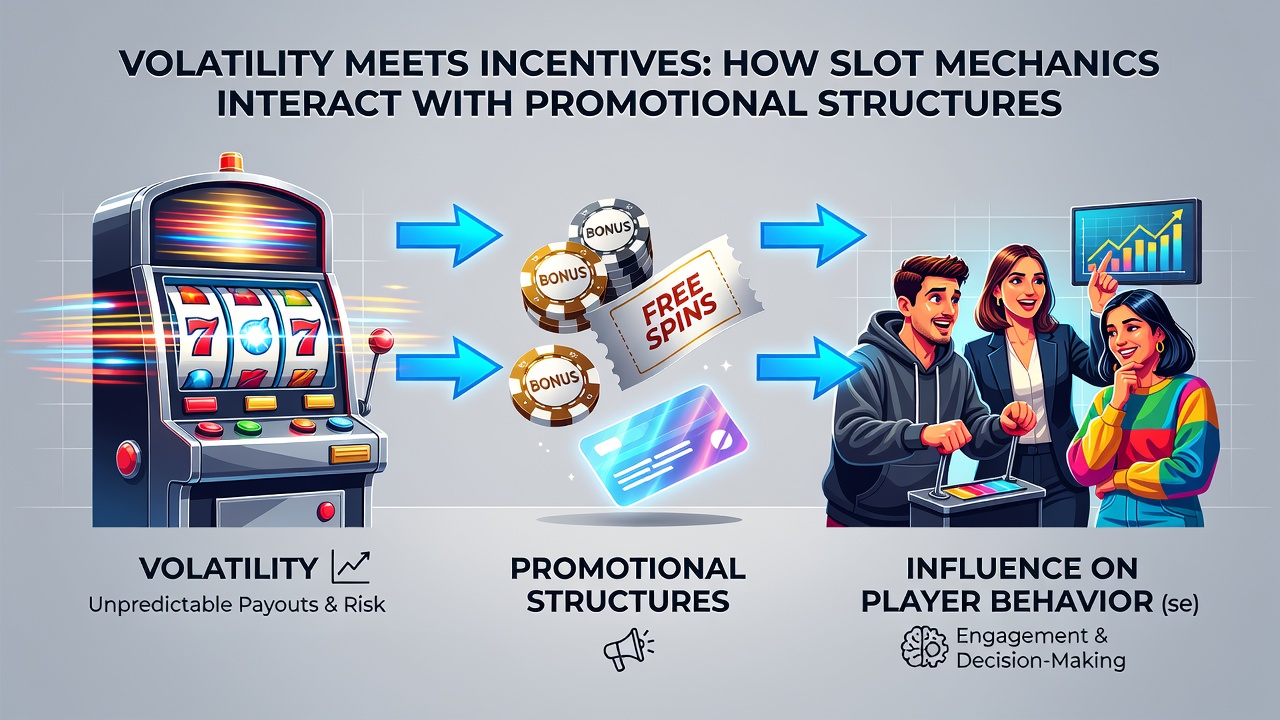
Slot volatility defines the frequency and size of payouts on individual games, while promotional structures such as free spins, deposit matches, and loyalty multipliers shape how operators encourage extended play, and these two elements combine to determine typical session durations across different player segments.
Slot Volatility Basics
High-volatility slots deliver infrequent but larger wins, whereas low-volatility options produce smaller payouts at steadier intervals, and researchers tracking player behavior note that these mechanical differences directly affect how long sessions last when paired with specific incentives.
Data from the Nevada Gaming Control Board shows that high-volatility titles often see shorter average play times without added promotions, yet the same games extend sessions once free spins or bonus rounds activate because the potential for larger returns keeps players engaged through longer dry spells.
Promotional Structures Overview
Operators deploy welcome packages, no-deposit free spins, cashback offers, and tiered loyalty programs to structure player rewards, and each format interacts differently with the underlying game mechanics, which means a fixed free-spin bundle on a low-volatility slot tends to produce shorter, more frequent sessions compared with the same bundle applied to high-volatility titles.
Studies conducted by the Australian Gambling Research Centre indicate that deposit-match incentives paired with high-volatility games encourage players to increase bet sizes gradually, extending sessions by 15 to 25 percent on average when the bonus funds remain active.
Interaction Patterns
When high-volatility mechanics meet time-limited free-spin promotions, players often continue spinning after the bonus ends in hopes of triggering similar features again, whereas low-volatility games paired with the same promotions typically see quicker exits once the allocated spins finish because the steady small wins satisfy the incentive without creating prolonged anticipation.
One industry report tracking mobile sessions in August 2026 found that loyalty multipliers applied to high-volatility slots produced the longest average play periods, reaching 48 minutes compared with 31 minutes for equivalent multipliers on low-volatility titles, because the larger potential wins align with the extended reward window created by the promotion.
Session Length Data
Figures released by the Canadian Gaming Association reveal that players using bonus buys on high-volatility games recorded the highest session extension rates, with median play times increasing from 22 minutes to 39 minutes once the feature purchase option became available through promotional credits.
Low-volatility slots combined with cashback structures, by contrast, generate steadier but shorter sessions because the frequent small returns reduce the psychological pull to continue chasing larger outcomes.
Regional Regulatory Context
Regulatory frameworks in multiple jurisdictions now require clear disclosure of volatility ratings alongside promotional terms, and operators in markets such as New Jersey and New South Wales have adjusted incentive structures accordingly since early 2026 to align with updated player-protection guidelines.
These changes have produced measurable shifts in session patterns, with data indicating that transparent volatility labeling combined with capped bonus durations tends to moderate the longest play sessions without eliminating the incentive effect entirely.
Player Segment Variations
High-roller segments respond more strongly to volatility-incentive pairings that offer large potential returns, resulting in extended sessions when deposit matches exceed standard thresholds, while casual players show greater session stability across both volatility types when promotions include loss limits or time caps.
Academic analyses from the University of Nevada, Las Vegas, demonstrate that these segment differences remain consistent across multiple markets, confirming that the mechanical interaction between volatility and promotions operates independently of specific regional player bases.
Conclusion
Slot volatility and promotional structures interact through predictable mechanical pathways that shape session lengths, and operators continue to refine these combinations using data from diverse regulatory environments to balance engagement with compliance requirements as of August 2026.